
Finding Pacifica Directory Collections
No official source reviewed a complete, digitized Pacifica directory run. That absence is a research result, not permission to fill the shelf with guessed years. The collection table separates confirmed local custodians from collections that need a catalog question. It also shows why a directory search often works best as a chain through several institutions.
| Collection | Years or span | Where held | Access and use |
|---|---|---|---|
| Pacifica Tribune morgue and clippings | Donated 1990; underlying papers older | Pacifica Historical Society / Coastside Museum | Research contact; names, events, obituaries, address context |
| Pacifica oral histories and Footprints | Many recordings from the late 1990s; earlier subjects | Pacifica Historical Society | Resident recollections, founders, schools, railway, organizations |
| Pacifica Tribune in NewsBank | September 24, 2003 to present; gap September 10, 2009-June 6, 2012 | San Mateo County Libraries | Library card or database access; obituaries and announcements |
| Federal census schedules | Public through 1950 | NARA, Ancestry, HeritageQuest | Household members, ages, relationships, occupations, place clues |
| San Mateo County Historical Association archives | Series-specific; catalog required | Reading Room and PastPerfect subset | Maps, photos, clippings, manuscripts, local publications |
| City or reverse directories | Exact Pacifica publishers and runs not verified | Ask PHS, SMCHA, Sharp Park, or Sanchez Library | Confirm title, year, publisher, key, and address-first format |
A directory entry should be labeled with its title, publisher, year, and repository. If the catalog does not confirm those details, describe the item as a lead to locate rather than a source already inspected.
Pacifica Directory Morgue Story
The Pacifica Historical Society received the Pacifica Tribune newspaper morgue in 1990. Volunteer “Clippers” selected historically useful articles, coded them, and created backups. In 2021 the society and Coastside News Group pursued digitization of the Coastside Tribune, Sharp Park Breakers, and Pacifica Tribune through Newspapers.com. That work supplies an unusual local name bridge when a printed city directory cannot be found.
The archive can lead to a person through an obituary, school memory, business notice, organization event, road project, or city milestone. It is not a current residents directory and not a complete index of everyone in Pacifica. Start with a name, community label, or date, then compare the clipping with another record.
The local collection landing page is Pacifica Historical Society.
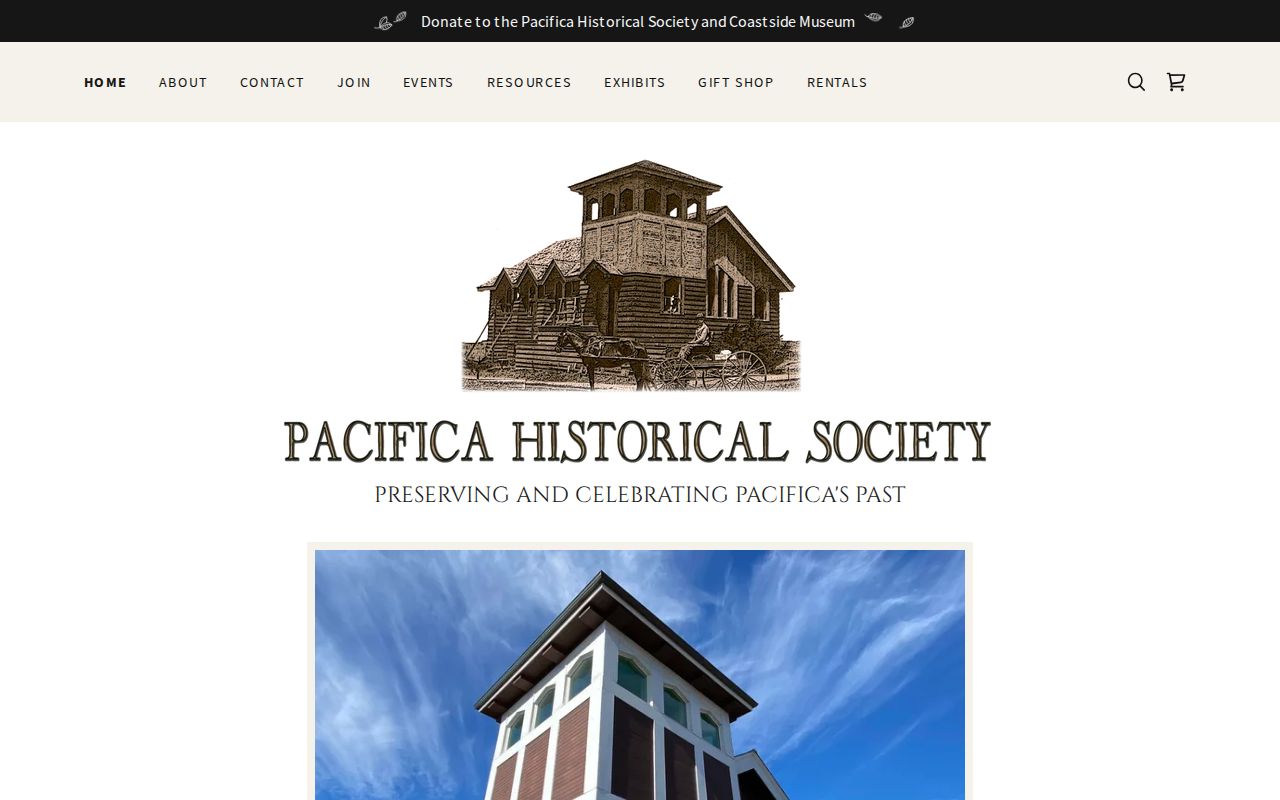
The image points to the society's broader photographs, publications, oral-history, and museum resources. Ask for the catalog or research contact before assuming a named volume is onsite.
Pacifica History Oral Histories
A city directory records a short line of print. Pacifica oral histories preserve the story around that line. The historical society recorded residents and city founders in the late 1990s and maintains the Footprints of Pacifica video guide. Named leads include “A City is Born,” first city manager Karl Baldwin, first mayor Jean Fassler, Ocean Shore passengers, school memories, early roads and stations, and local organizations.
Use a recollection as a direction to a name, place, or date. Then check the Pacifica Tribune morgue, a census schedule, an archival photograph, a deed, or a probate file. Oral history can preserve a nickname or community term that a formal index never used, but it may not establish a precise address or current status.
The route is especially useful for reunions and family history. It can move from a class memory to an alumni lead, from a railway story to a neighborhood label, or from a founder's name to a dated newspaper record without treating an association as a complete roll.
Pacifica Archive Reading Room
The San Mateo County Historical Association Reading Room is in the History Museum at 2200 Broadway in Redwood City. An appointment is requested at least two days ahead through archives@historysmc.org or 650-299-0104. Materials are noncirculating, photo identification is required, and a researcher should record catalog numbers before visiting. PastPerfect is an online subset, not a guarantee that the full collection is digitized.
Research scans have a practical route: the first ten PDF pages are free, then the guide reports a $0.25 per-page charge. High-resolution reproduction can require at least two weeks and may carry image licensing terms. Personal snapshots are allowed for private research but not publication, distribution, or posting without permission.
Start with the PastPerfect online catalog when a city directory, map, photograph, or clipping is suspected.
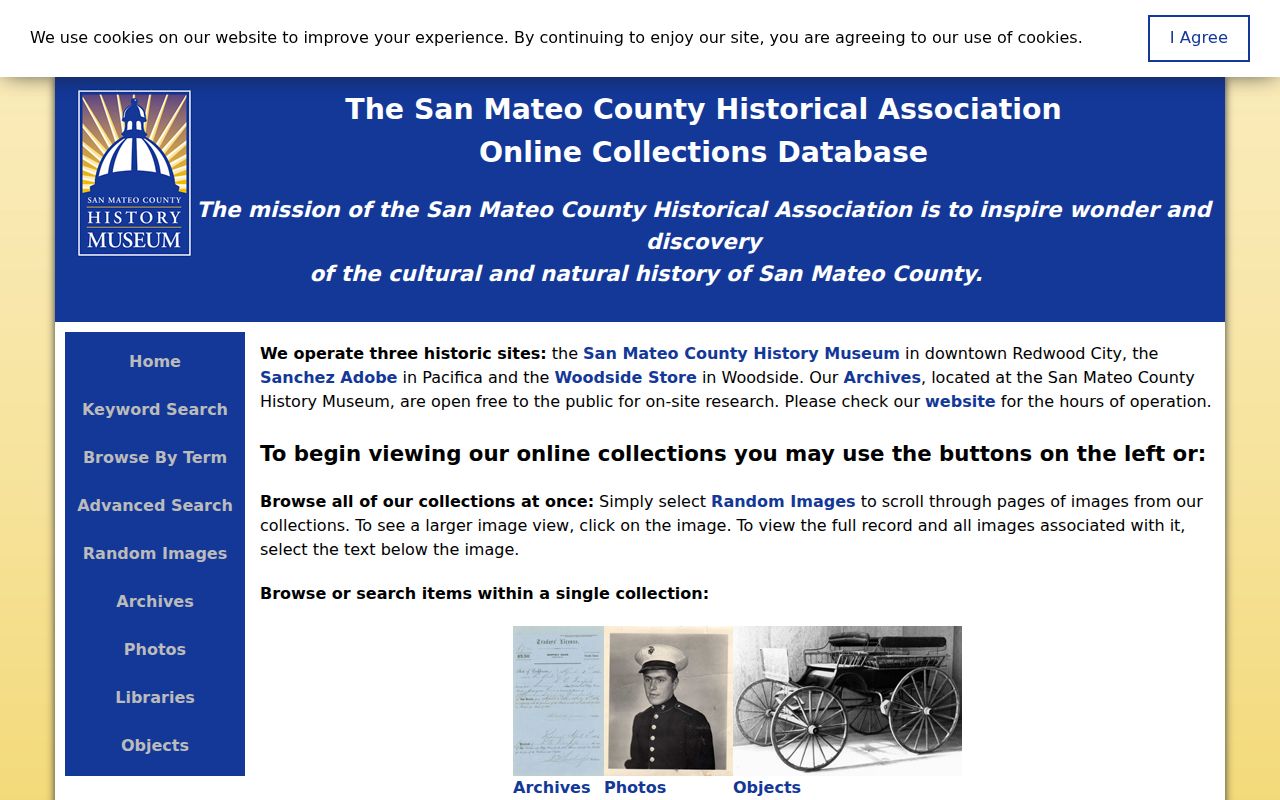
The online record is a starting point. Full series, older material, and uncataloged context may require the reading-room appointment.
The association's research page gives the current appointment and reproduction framework at San Mateo County Historical Association.
Record the repository and catalog number beside every directory clue so a later reader can return to the same source.
Pacifica Directory Research Databases
Sharp Park Library at 104 Hilton Way and Sanchez Library at 1111 Terra Nova Boulevard belong to San Mateo County Libraries. The library's research resources provide Ancestry Library Edition inside a branch, public computer, or library Wi-Fi. HeritageQuest and HeritageHub are available remotely to qualifying card prefixes. Those databases may hold census, newspaper, genealogy, or historical images, but collection names and years should be checked inside the database before being stated as coverage.
The library route is also a practical way to ask about a city directory shelf, a reverse directory, a yearbook, or an obituary search. Exact Pacifica city-directory years and a public library obituary index were not located in the official pages reviewed. The Sharp Park Library and Sanchez Library pages provide branch routes, while a librarian can confirm whether a title is a book, microfilm item, database image, or interlibrary request.
Begin with the library's genealogy and local-history resource list.
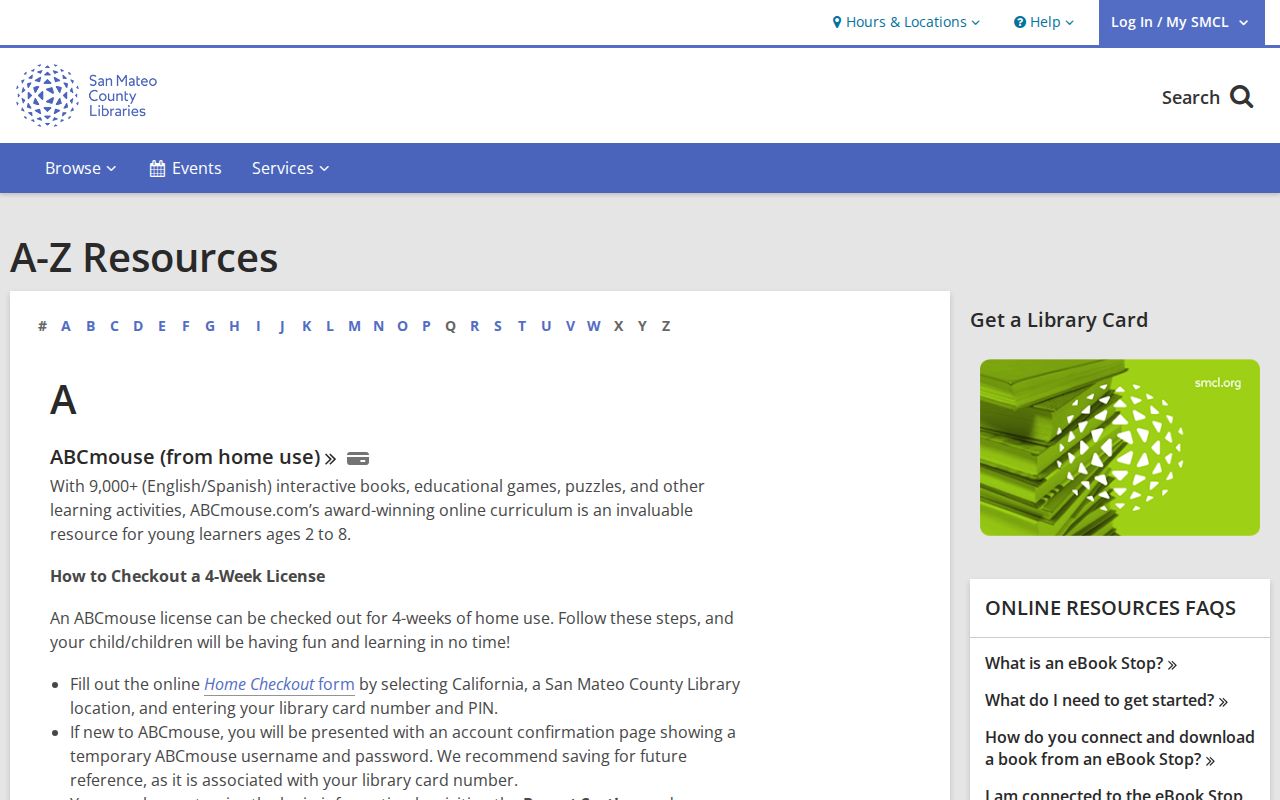
Library access fills the gap between a name remembered at home and a cataloged record that can be cited.
Pacifica Directory Tribune Gap
NewsBank lists the Pacifica Tribune from September 24, 2003 to the present, but its coverage notes a gap from September 10, 2009 through June 6, 2012. The gap matters when a city directory search is trying to explain a move, death, business change, school event, or address mention. A failed newspaper search during that period should lead to the morgue, library microfilm or catalog help, historical society records, or another paper rather than a claim that no notice existed.
San Mateo County Libraries also list San Mateo County Times from September 15, 2001, San Mateo Daily Journal from October 2, 2000, San Francisco Chronicle from January 1, 1985 with a database note about obituaries, San Jose Mercury News from June 1, 1985, and Half Moon Bay Review from August 15, 1997. These neighboring titles can supply a family or community clue while the Pacifica Tribune run is incomplete.
Search by surname, community label, organization, and likely event date. Preserve the headline and publication date, then verify the identity with a second record.
Read a Pacifica Directory Entry
Because no verified Pacifica directory page was available for inspection, the local fields below are a checklist, not a fabricated sample. When a librarian locates a city directory, inspect its title page and abbreviation key first. A printed entry may use a surname and given name, spouse notation, occupation or employer, street address, household cross-reference, ownership/occupancy mark, widow notation, removal note, or advertisement. Only fields actually printed in that volume belong in the transcription.
| Title and publisher | Identifies the collection, edition, and source authority. |
|---|---|
| Year and publication lag | Places the entry in time; a volume may reflect an earlier collection date. |
| Name line | Record surname, given name, initials, and any relationship mark exactly. |
| Address line | Preserve street spelling and number, then compare with a map. |
| Abbreviation key | Defines local marks before an occupation, household, or address term is interpreted. |
- Criss-cross directory
- An address-first companion that may reverse the usual name-to-address order.
- Householder index
- A name or household finding aid; its coverage and fields depend on the repository.
- Abbreviation key
- The publisher's guide to shortened occupations, relationships, or address marks.
A directory entry is a dated clue. A missing year can reflect a publication gap, a move, an unlisted household, or a change in the community label. Pair the entry with a census, deed, obituary, or newspaper before declaring a continuous household line.
Pacifica Directory and 1950 Census
Federal census schedules through 1950 are public under the 72-year rule. A 1950 household can supply names, ages, relationships, occupations, and a location that helps anchor a later city directory search. Pair that household with postwar subdivision maps, deeds, Pacifica Tribune notices, and photographs. The census may use a historic enumeration label rather than the modern city name.
The National Archives route is the 1950 Census resource. Ancestry and HeritageQuest can be convenient finding aids, but the collection title, image, and enumeration geography should be checked before citation. Current Pacifica population context is available in Census QuickFacts, which should not be mistaken for a household name index.
| Period | Record clue | What to compare |
|---|---|---|
| 1950 and earlier | Census household | Names, ages, relationship, occupation, enumeration place |
| Postwar years | Maps and deeds | Lot, tract, legal description, and changing address |
| 2003-present | Pacifica Tribune NewsBank | Obituaries, announcements, organizations, and address events |
| Unknown years | PHS or SMCHA archive | Clippings, photographs, oral history, directory catalog |
The 72-year rule explains why a 1960 census is not yet an open online substitute for a missing city directory. Use the public 1950 schedule, then fill the later interval with records that have a documented date and custodian.
Trace Pacifica Families Through Directories
For family history, follow a surname and address across every verified directory year, note changes in street spelling and household marks, and pair each interval with a census, obituary, deed, or newspaper. A disappearance can mean a move, death, missed volume, or changed community label. The title page and abbreviation key decide what the printed line actually means.
Older residents may be indexed under the communities that preceded the city. Pacifica grew around Ocean Shore Railway stops and coastal settlements, with records using Tobin, Salada Beach, Sharp Park, Rockaway, Vallemar, Pedro Point, or San Pedro Valley. The railway began in 1905 and operated toward Half Moon Bay until 1921. Postwar tract growth came before incorporation, so a pre-1957 city directory or newspaper notice may use a county or subdivision label instead.
Use the historical name as a search variant in the newspaper morgue, census geography, archive catalog, and map collection. A current street address can be translated to an APN and legal description, but the historical source may still require the old community name. That is why the Pacifica street directory address chain and a city directory search work best together: one maintains land continuity, the other preserves the words used by the people who lived there.
Pacifica's historical city directory trail is therefore a reconstruction from named collections, dated publications, and local vocabulary. The gaps are part of the evidence and should be stated plainly.