
Pacifica Previous Resident Sources
A one-address history needs a coverage chart before the first search. The sources below do not cover the same years or prove the same fact. The deed index is strongest for recorded title parties. Census schedules and directories can show households. Newspapers and obituaries explain events. Maps and permits show the physical or project history of a parcel.
| Source | Years it covers | Where held | What it shows |
|---|---|---|---|
| Recorder name index | 1985-present | RecorderWorks / ACRE | Grantors, grantees, instruments, recording dates |
| Older recorded deeds | Pre-1985 with reference; books otherwise | ACRE counter and deed books | Earlier title transfers and legal description |
| Federal census | Public through 1950 | NARA, library databases | Household members, ages, relationships, occupation, location |
| Pacifica Tribune NewsBank | 9/24/2003-present; 9/10/2009-6/6/2012 gap | San Mateo County Libraries | Obituaries, announcements, organizations, address events |
| Pacifica Historical Society morgue | Donated 1990; underlying papers older | Coastside Museum | Clippings, names, events, photographs, local context |
| City or reverse directories | Exact Pacifica runs not verified | Ask PHS, SMCHA, or libraries | Potential address-to-occupant entries if a run is found |
| Sanborn maps and permits | Pacifica years or permit cutoff not verified | LOC/catalog; city portals | Structure or project evidence, not a household list |
The goal is a dated trail. A gap should be named as a gap instead of filled with an assumed owner or occupant.
Resolve Pacifica Address to APN
Start with the San Mateo County Property Information Portal or Property Maps. Search the exact address, save the nine-digit APN, note the situs address and city or unincorporated flag, and open the assessor, subdivision, parcel, or survey map. The legal description provides continuity if the street name, number, or community label changes. A parcel polygon also shows which neighboring lots need to be kept separate.
Pacifica's coastal communities developed in different eras. Sharp Park's grid, Vallemar's valley roads, Pedro Point's hillside lots, and Linda Mar or Park Pacifica tracts may use different map references. Before looking for previous residents, preserve the map name, lot or block, subdivision, APN, and current situs. That record is the hinge between modern and historical sources.
Property Maps can be reached through the San Mateo County assessor map route. The map locates land; it does not provide a complete list of people at the address.
Identify Pacifica Grantees
Use the latest recorded Grant Deed to identify the current grantees before walking backward. A tax bill may abbreviate multiple owners to the first line. RecorderWorks lets a researcher search a name, allow partial matching, narrow a recording date, and open an indexed document detail. Capture grantor, grantee, recording date, document number, APN, legal description, and document type.
The County Recorder explains that a Grant Deed transfers title while a Deed of Trust records financing. Liens and releases can add transaction context. A recorded party is not automatically an occupant, and a mailing address is not the same as situs. That distinction is central to a previous residents search.
The RecorderWorks grantor-grantee instructions show the name and document routes.
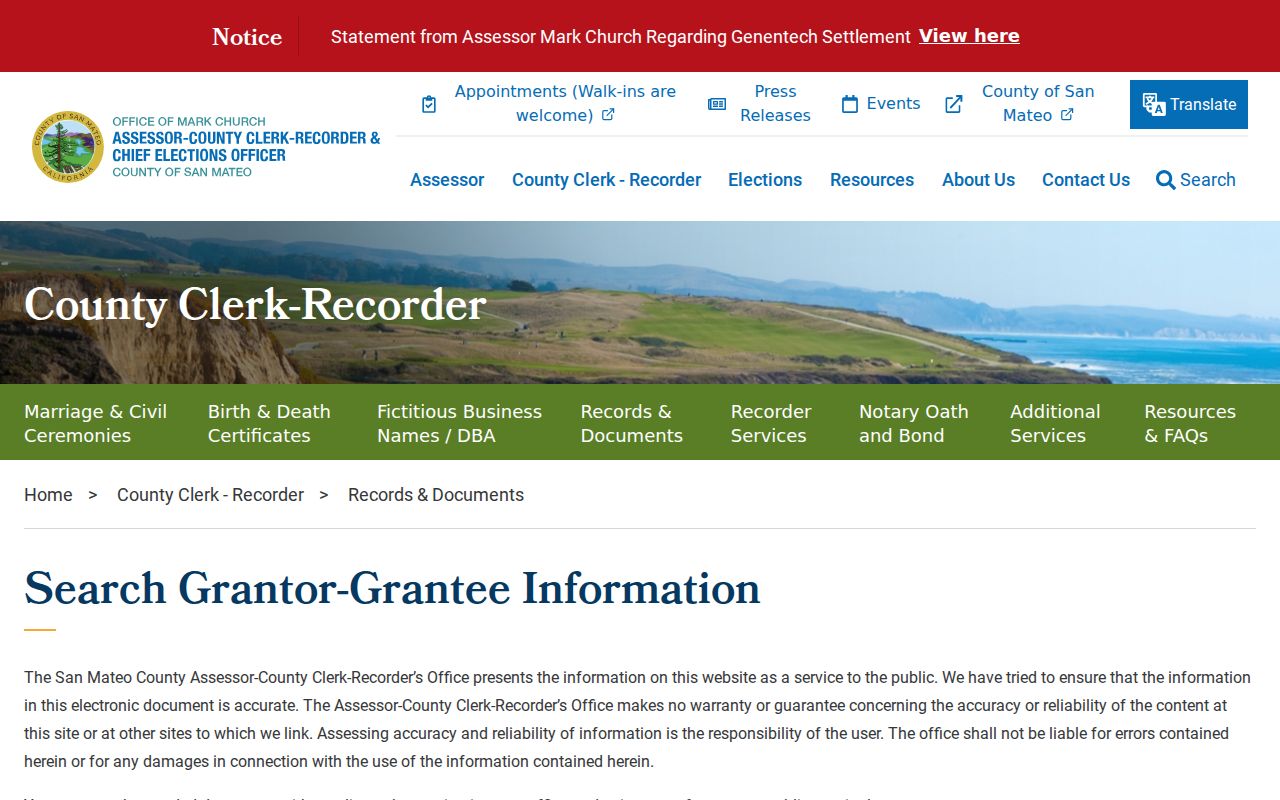
The image leads to the official index instructions. Reference images are not included in the free database; order a regular or certified copy from the custodian when the instrument must be read or proved.
Deed tip. Search the latest grant-deed grantees rather than the shortened tax-bill line, then carry the APN and legal description into every earlier search.
Walk Pacifica Deeds Backward
The backward chain is a repeated test. Start with the current grantee, open the acquisition, record the seller, and search that seller as an earlier grantee. Compare the same APN or legal description, not just the same name. Continue through 1985, stopping whenever a document changes the land reference or a common name creates uncertainty.
- Open the current acquisition and record the grantor, grantees, date, instrument, APN, and legal description.
- Search the grantor as a prior grantee with a date range around the earlier transfer.
- Open the next deed and compare parcel markers, map references, and party roles.
- Repeat until the online name index reaches its 1985 starting point.
- At the cutoff, use a known document number, recording date, book/page, or ACRE deed books.
A deed chain shows recorded ownership interests. Previous residents may include people who occupied the land without holding title, so the household layer comes from directories, census schedules, newspapers, probate, and local history.
Cross Pacifica's 1985 Cutoff
RecorderWorks name searching begins in 1985, but a known older document number or recording date can still retrieve a pre-1985 record online. When no reference is known, use public terminals and deed books at 555 County Center, first floor, Redwood City. The older route is slower because the researcher must supply a book, page, date, or other finding clue.
This cutoff is a useful quirk, not a courthouse loss story. The research did not establish a Pacifica courthouse fire or a destroyed deed run. Do not claim that older deeds vanished. State which search key was known, which office route was used, and where the chain remains unverified.
For a pre-1957 address, search the community names used before Pacifica incorporation: Tobin, Salada Beach, Sharp Park, Rockaway, Vallemar, Pedro Point, and San Pedro Valley. An older deed or census entry may not use “Pacifica” at all.
Pair Pacifica Owners With Census
Past owners and previous residents are different layers. Federal census schedules through 1950 can show household members, ages, relationships, occupations, and a historic location. Pair a census household with the APN, tract or subdivision map, and deed chain. The census may use a community or enumeration label that needs to be translated carefully.
The National Archives 1950 Census resource is the public federal route.
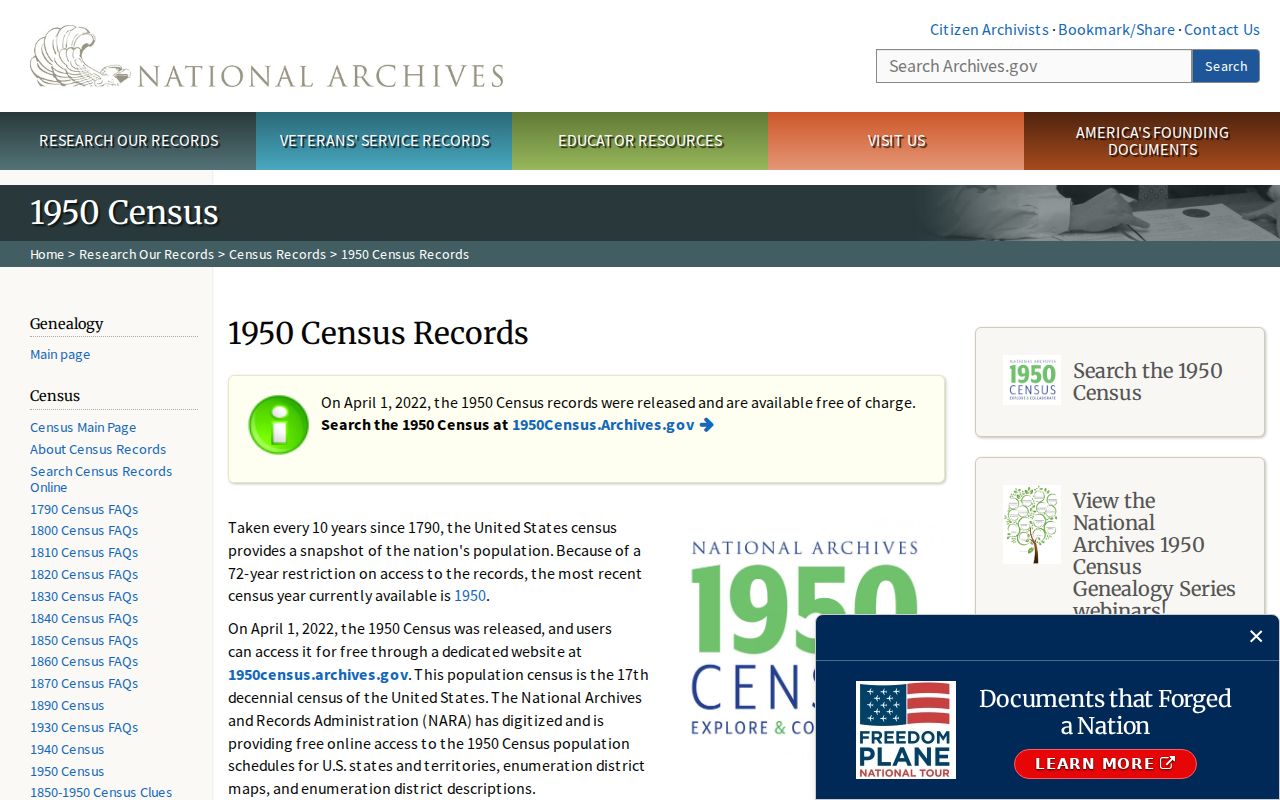
The census image supports a household search, not a title claim. For a death or family endpoint, search Pacifica Tribune notices, the historical society morgue, probate indexes, and vital-record routes. NewsBank coverage begins September 24, 2003 but has the stated 2009-2012 gap, so a missing obituary needs another source.
| Owner evidence | Grant deed, recorded instrument, APN, and legal description. |
|---|---|
| Occupant evidence | Census, verified directory, obituary, newspaper, or oral history. |
| Family endpoint | Probate, vital copy, obituary, or recorded succession instrument. |
| Map continuity | Lot, block, subdivision, APN, and parcel shape across address labels. |
Use Pacifica Genealogy Collections
The San Mateo County Genealogical Society provides a local research lead through its catalog and resources. The Pacifica Historical Society adds photographs, oral histories, Footprints, local biographies, and the Tribune morgue. These collections can connect a name to a school, organization, railway stop, event, or obituary when a deed chain only shows title parties.
The society's research resources are a useful route for a previous residents question.
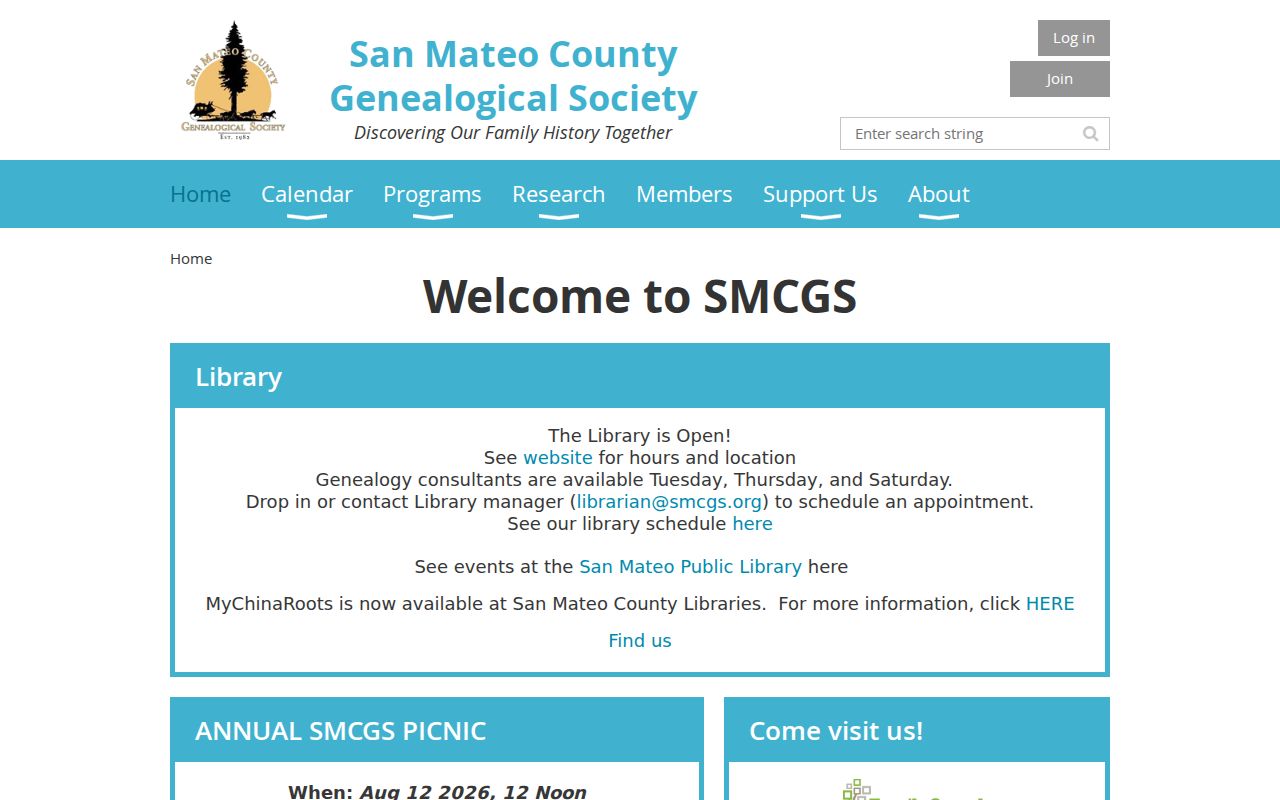
Use the collection as a finding aid and ask what cataloged item supports the name or address. A group contact list is not a complete resident roll, and a photograph caption may need a second source.
The Pacifica Historical Society's 1990 newspaper-morgue donation and volunteer coding project is especially useful for event-based searches. It may bridge a missing directory year without pretending to be a directory itself.
Match Pacifica Directory Years
The California State Library genealogy collection is a fallback for county histories, newspapers, indexes, and research guidance. Its material can help identify a family or historical place name, while the San Mateo County Historical Association may hold maps, photographs, clippings, manuscripts, and local publications. Exact Pacifica city or reverse-directory runs remain a catalog question.
Start with the California State Library genealogy route.
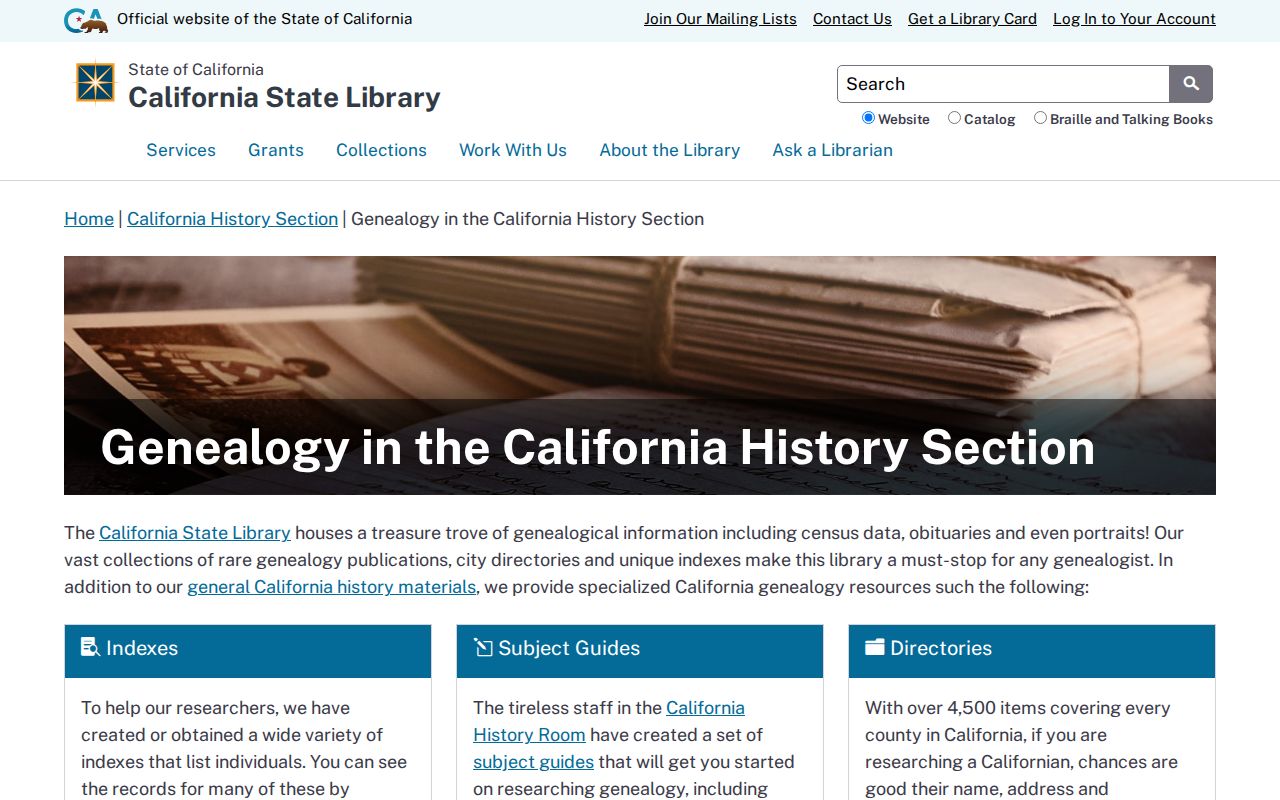
Pair any historical name with a dated local source. A title page, publisher, year, and abbreviation key matter before an old directory line can be compared with a deed or census.
| Era clue | First stop | Pair with |
|---|---|---|
| Before 1957 | Community name, census, local history | Maps, deeds, railway or newspaper terms |
| 1957-1990s | Local archive, photos, oral history, possible directory | APN continuity and newspaper events |
| 1990-2003 | PHS morgue and library databases | Deed, probate, permit, or obituary |
| 2003-present | Tribune NewsBank and current county records | Known address and dated instrument |
Bridge Pacifica Address Changes
No official Pacifica street-renumbering project or address-renaming program was located. That gap means a researcher should not say that a street definitely changed in a particular year. Keep continuity through APN, subdivision, lot, block, recorded map, and legal description. Then test the modern situs against the older source's community label.
Permits can date construction or a remodel, but historical permit coverage was not stated and an applicant is not proof of occupancy. Sanborn fire-insurance maps may show structure footprint or use where an edition exists, but no Pacifica edition or year was verified. The Library of Congress Sanborn map collection is a catalog route, not evidence that a local sheet exists. If a name also appears in a Northern District of California matter, CM/ECF information is a separate federal source and does not establish address history.
- Grantor and grantee
- The seller or transferor and the recipient named in a recorded instrument.
- Chain of title
- A sequence of recorded interests connected through land references and party roles.
- Legal description
- The recorded land wording that can preserve identity when a street label changes.
The more carefully a previous residents search separates title, occupancy, and address continuity, the less likely it is to turn an old clue into an unsupported biography.
Pacifica Previous Residents Boundaries
Directories, census schedules, obituaries, and oral histories can suggest who was connected with an address, while deeds identify recorded title. None is a complete list of past residents. A missing directory entry may reflect publication lag, a move, an unlisted household, a changed community name, or an unverified collection gap. Record those limits beside the date and source.
California privacy rules also limit current records. Safe at Home can shield eligible survivors and qualifying household members. Voter access is purpose-controlled, and DMV or utility customer data is not a public address source. A house-history search should stay focused on the land, family history, genealogy, probate, and documented community record.
Lawful use. Use previous residents research for a documented house history, genealogy, heir work, or civic history. Do not use names or address records to stalk, harass, intimidate, or harm a person.
The present-day parcel and deed trail belongs in the Pacifica street directory; the historical household trail belongs here, with each source's era and proof stated plainly.